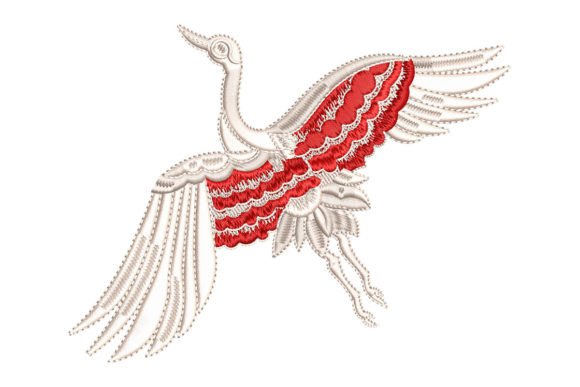
Flying Flamingo Embroidery Design
The Flying Flamingo embroidery design is a standout piece that brings a unique blend of elegance and whimsy to any project. Its intricate details and flowing lines make it ideal for small business merch, branded patches, and custom apparel. Whether you're designing for a boutique, café, or handmade shop, this design offers a fresh and memorable visual identity.
First Impressions: A Unique Blend of Elegance and Playfulness
Flying Flamingo immediately catches the eye with its delicate yet striking appearance. The design feels both professional and playful, making it versatile for a wide range of businesses. It’s not overly bold, but it has enough detail to stand out on fabric without overwhelming the overall look. This balance makes it perfect for adding a touch of personality to everyday items like tote bags, caps, and aprons.
As an embroidery designer, I find the design appealing for its ability to convey a sense of sophistication while still maintaining a friendly, approachable vibe. It works well for brands that want to express creativity without being too flashy.
Real Business Use: From Patches to Apparel
When used as an embroidered patch, Flying Flamingo adds a premium feel to any product. It’s ideal for staff uniforms, apron embroidery, and cap embroidery, where a subtle yet recognizable logo is needed. The design holds up well at various sizes, making it suitable for both large and small applications.
For small business merch, this design can be a key element in creating a cohesive brand identity. It looks great on tote bag design, work shirts, and even product packaging accents. When paired with the right thread colors, it can enhance the visual appeal of any item while reinforcing brand recognition.
As a digital embroidery file, Flying Flamingo is easy to integrate into commercial embroidery projects. It’s particularly useful for Etsy sellers and craft businesses looking to offer handmade products with a polished finish. The design also works well for printable mockups, allowing clients to visualize how the finished product will look before production begins.
Where to Use With Caution
While Flying Flamingo is versatile, there are certain applications where it may not perform as well. On small patch sizes, the intricate details can become lost, so it’s best to simplify the design if needed. For cap fronts or curved surfaces, the design might require some adjustment to ensure proper placement and visibility.
High stitch density and detailed outlines can be challenging on textured fabrics or dark uniforms. It’s important to test the design on real fabric before mass production to ensure the desired outcome. Additionally, if the design includes tiny lettering, it may need to be adjusted for clarity and readability.
Impact on Brand Identity and Customer Engagement
Flying Flamingo can significantly impact a brand’s visual identity. Its unique style helps differentiate a business from competitors, making it easier for customers to recognize and remember. This is especially important for small businesses looking to build trust and loyalty through consistent branding.
The design also enhances the perceived value of products. When used on custom apparel or handmade product labels, it adds a level of professionalism that appeals to discerning customers. It can also improve buyer engagement by offering a visually appealing and meaningful addition to any merchandise.
For businesses that prioritize visual consistency, Flying Flamingo serves as a strong design asset. It complements other elements of a brand’s identity, ensuring that all embroidered items maintain a cohesive and polished look.
Practical Tips for Embroidery Designers
Before finalizing any project, it’s wise to test the Flying Flamingo design in black and white. This helps assess how the lines and shapes interact without the influence of color. Checking the design at a small patch size is also essential to ensure it remains legible and effective.
Reviewing thread color contrast is another critical step. The right combination can make the design pop, while the wrong one can dull its impact. Spacing between elements should be inspected to avoid overcrowding, especially on complex areas of the design.
Confirming the hoop size required for the design is important for efficient production. Using the proper stabilizer ensures the design stays in place during stitching, preventing distortion or shifting. Testing on real fabric allows for adjustments before full-scale production begins.
Creating a mockup for client approval is always recommended. Comparing the design with other design assets helps ensure it fits within the broader brand strategy. Finally, verifying commercial licensing before use is crucial to avoid any legal issues.
Conclusion: A Versatile Addition to Any Embroidery Collection
Flying Flamingo is more than just a decorative design—it's a valuable tool for small business owners and embroidery professionals. Its ability to adapt to different applications makes it a go-to choice for branded merchandise, patches, and custom apparel. Whether you're working on a boutique project or a larger commercial embroidery order, this design offers both aesthetic appeal and practical functionality.
By considering the design’s strengths and limitations, you can maximize its potential and create a lasting impression on your customers. With the right approach, Flying Flamingo can become a key element in building a strong and recognizable brand presence.