Kite Baby Toy
The Kite Baby Toy is a machine embroidery design that brings a whimsical and playful energy to small business merch, branded patches, and custom apparel. As an experienced embroidery designer, I’ve evaluated this design for its potential in real-world applications, from boutique merchandise to event giveaways. Its visual personality and adaptability make it a compelling choice for businesses looking to add a touch of creativity and charm.
First Impressions: Playful and Whimsical
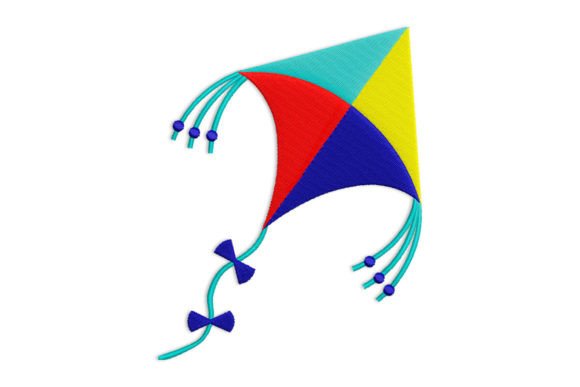
From the moment you see the Kite Baby Toy, it exudes a sense of fun and lightheartedness. The design feels like it was created with a child’s imagination in mind, making it ideal for businesses targeting families, nurseries, or any brand looking to convey a sense of joy. The illustration of a kite as a baby toy suggests a soft, approachable aesthetic that can work well in both handmade and commercial settings.
This design isn’t overly complex, which makes it versatile for different embroidery applications. It has a friendly and bold look that stands out without being overwhelming. Whether used on a cap, tote bag, or apron, it maintains its visual appeal while fitting into a variety of brand identities.
Real Business Use: Versatile and Adaptable
Kite Baby Toy excels in a range of small business merch scenarios. As an embroidered patch, it can be applied to jackets, backpacks, or even children’s clothing, adding a unique and memorable detail. For staff uniforms or aprons, it serves as a subtle yet effective brand identity marker, reinforcing a company’s image in a professional yet creative way.
When used in cap embroidery or tote bag design, the Kite Baby Toy adds a touch of personality that can differentiate a product from competitors. It’s also a great option for customer gifts or event merch, where a small, eye-catching design can make a big impact. For Etsy sellers or handmade brands, it offers a fresh and original element that can elevate product listings and attract buyers looking for something special.
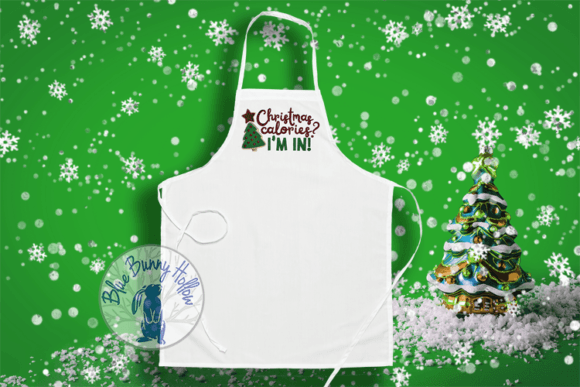
As a digital embroidery file, Kite Baby Toy can be integrated into printable mockups, allowing designers to visualize how it will look on different products before production. This helps ensure that the final product aligns with the brand’s vision and meets client expectations.
Where to Use with Caution
While Kite Baby Toy is a versatile design, there are some situations where it may not perform as well. At very small patch sizes, the details might become too delicate or lost, especially if the stitch density is high. This could result in a less defined finished product, so it’s important to test the design at smaller scales before committing to large batches.
On curved surfaces or items with textured fabric, the design may not sit as smoothly as intended. Additionally, if the design includes tiny lettering or intricate outlines, it could be challenging to maintain clarity during the embroidery process. Careful consideration of thread colors and stabilizer use is essential to ensure the design looks its best on dark uniforms or other high-contrast backgrounds.
Businesses should also be mindful of the fabric type and washing frequency when using Kite Baby Toy. Items that require frequent laundering may need additional reinforcement to preserve the design’s integrity over time.
Impact on Brand Identity and Customer Trust
Embroidered designs like Kite Baby Toy play a significant role in shaping a brand’s identity. When used consistently across merchandise, it helps build recognition and trust among customers. A well-executed design reinforces professionalism and attention to detail, which are crucial for small businesses aiming to stand out in competitive markets.
For handmade products, the Kite Baby Toy can enhance the overall presentation, making items feel more thoughtful and curated. It also supports visual consistency, ensuring that all branded materials—whether a tote bag, cap, or product label—maintain a cohesive look that reflects the brand’s values and style.
Buyer engagement increases when a design is both visually appealing and meaningful. Kite Baby Toy’s playful nature can resonate with target audiences, encouraging repeat purchases and word-of-mouth referrals. It’s a design that not only looks good but also tells a story, helping to create an emotional connection between the brand and its customers.
Practical Designer Notes
Before using Kite Baby Toy in commercial embroidery projects, it’s wise to test it in black and white first. This helps assess how the design translates without color distractions and ensures that the contrast and spacing are appropriate for the intended application.
Reviewing the design at small patch sizes is also critical. If the details are too fine, adjustments may be needed to maintain visibility and quality. Checking thread color contrast against the fabric is another important step, as poor contrast can make the design appear dull or unclear.
Confirming the hoop size and stabilizer requirements will help avoid issues during the embroidery process. Testing the design on real fabric before mass production allows for any necessary tweaks, ensuring that the finished product meets the desired standards.
Creating a printable mockup for client approval is a smart move, as it provides a clear visual representation of how the design will look on the final product. Comparing it to other design assets helps maintain a balanced and professional appearance across all branding elements.
Finally, always verify the commercial licensing terms before using Kite Baby Toy for business purposes. While the design is described as a digital embroidery file, specific usage rights may vary, and it’s essential to confirm these details to avoid any legal complications.